One person wants to leave before breakfast. Another would rather start with coffee. Someone needs an early night; someone else has saved three evening spots on their phone. Sharing a Tokyo trip is easy to agree on. Sharing the same rhythm takes a little more planning.
Before choosing a hotel, settle three things: who sleeps where, how the arrival day works, and when everyone comes back together. Those choices make the accommodation search far more useful.
Some links in this article are affiliate links. If you make a qualifying booking or purchase through them, I may earn a commission. This guide offers planning advice; it does not claim personal stays at the hotels linked below.
Start with these three decisions
Choose a room arrangement that protects sleep. Keep arrival day flexible. Agree on one meeting point and one shared part of the day. You can then look for a Tokyo base that supports that plan.
Choose the sleeping arrangement before the hotel
 Emma
We want to stay together. Does that mean we should all share one room?
 Minamina
Start with bedtime, morning routines and privacy. Being in the same hotel can give you plenty of time together without sharing every part of the evening.
A room that fits the booking party can still feel awkward once suitcases are open and someone wants the lights off. Think through an ordinary evening: who showers first, who needs quiet, and where a person can sit without waking someone else.
| Arrangement | When it fits | Check before booking |
|---|---|---|
| One shared room | Similar sleeping routines and comfort with shared space | Actual beds, bathroom layout and space for luggage |
| Separate rooms | Different bedtimes or a need for privacy | Total cost and whether nearby rooms are guaranteed or only requested |
| Connecting rooms | Separate sleeping spaces with an internal link | The exact bookable room combination and confirmation of the connecting door |
A room request is not a room guarantee
Two bookings at the same hotel do not establish that the rooms connect, sit next door to each other or share a floor. Ask the hotel what can be confirmed for your dates and room types.
Send a specific question
Instead of asking whether a room is suitable for a family, describe the arrangement you need. For example: “We need separate sleeping spaces with an internal connecting door. Which room combination should we book, and can that connection be confirmed?”
For a shared room, ask for the bed configuration and bathroom layout of the exact room category. Photos of a different category cannot settle those details. A kitchenette, laundry facilities or extra beds may help, but only if they solve something your group actually needs.
Give arrival day some breathing room
 Marcus
If our flight lands in the morning, should we book an activity for that afternoon?
 Minamina
Leave room for the airport journey, bags and a break. An easy meal near your hotel can be a better first plan than an activity with a fixed start time.
Landing time is not the time you reach your hotel. Immigration, baggage collection and the onward journey all come before check-in. If rooms will not be available yet, decide what happens to your bags and where you can rest.
A simple arrival-day plan
Airport → accommodation or confirmed bag storage → food and a break → one optional nearby outing. Keep the optional part easy to drop if the group is tired.
- Confirm check-in: ask when the room is available and whether early check-in is possible, charged or subject to availability.
- Confirm luggage storage: check the hotel’s policy rather than assuming bags can be left before check-in.
- Choose the transfer: weigh stairs, changes and luggage handling as well as the fare.
- Save the essentials offline: accommodation address, booking details and the route from your arrival point.
- Keep dinner easy: have a nearby option so nobody needs another long journey to eat.
A direct route may be worth more to your group than a cheaper journey with several changes. Equally, a straightforward rail trip may work well when everyone is comfortable carrying their bags. Choose around the people travelling, rather than their ages.
Check the station exit, not just the station name
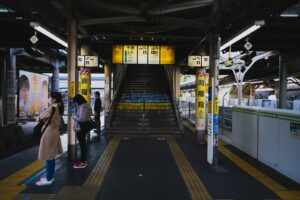
“Close to the station” leaves an important question unanswered: close to which exit? Check the route from the platform to street level and then to your accommodation, especially if stairs or luggage will affect the journey.
Tokyo Metro provides an official search by barrier-free facility. Use it alongside the individual station information to check the route you need. Do not assume every exit has the same facilities.
Before saving the route
Record the station, the exit and the final walk to the hotel. If an elevator is important, recheck the operator’s current information before travelling. Station facilities alone do not confirm that the whole hotel route meets your needs.
If you are still choosing a base, start with our comparison of five Tokyo areas. Make the area decision first, then examine the exact hotel route.
Make separate plans easy to rejoin
 Lucas
I want to explore later, but the rest of the group might return early. How do we avoid spending the evening messaging each other?
 Minamina
Choose one clear meeting point and time, and decide what happens if someone is delayed. Everyone should also have the hotel address and a way back.
You do not need an identical itinerary to have a shared trip. One meal together or a relaxed afternoon can become the day’s anchor. The rest can vary without turning every change of plan into a group negotiation.
- Use a precise meeting point: a named entrance or the hotel lobby is clearer than “somewhere at the station.”
- Set a time and a fallback: agree whether to wait, send a message or meet later if someone is delayed.
- Share contact details: check that everyone knows how to reach the group while in Japan.
- Make the return independent: save the hotel name, address and route on each person’s phone.
- Choose the shared commitment: decide which meal or outing everyone wants to keep together.
Together does not have to mean all day
A useful plan gives each person room to choose while keeping a few reliable points of connection. Decide those points before booking activities with fixed times.
For spring 2027, settle the base before filling the days
If you are considering late April or early May, allow for Golden Week demand. JNTO’s May travel guide identifies this period as busy for transport and hotels and advises early booking for travel in the first week of May. Check availability and cancellation terms for your actual dates.
An early booking is useful only when the room arrangement is right. Confirm beds, room connections and the terms you can accept before treating a reservation as settled. Build any timed activities around the arrival plan and the group’s shared commitments.
Two existing hotel guides to use next
For a Tokyo Station base, read what to check at karaksa hotel TOKYO STATION. For an Asakusa stay, read our MIMARU Tokyo Asakusa Station spring guide. Use each as a starting point for questions about the exact room and dates, rather than assuming either hotel fits every group.
Before you book, agree on the essentials
- Sleep: everyone understands the room and bed arrangement.
- Arrival: you have a bag-storage plan and a flexible first day.
- Location: the relevant station exit and hotel walk have been checked.
- Separate plans: everyone can get back and knows where to meet.
- Terms: occupancy, payment and cancellation conditions are clear.
Once those decisions are made, activity browsing becomes easier. Look for something that fits an open part of the day, rather than building the whole trip around whichever ticket you find first.
Browse Tokyo activities on Klook after you have settled your base and daily rhythm. Check each listing’s meeting point, duration, participation requirements and cancellation policy. This link opens a Tokyo activity page; it does not confirm a hotel room arrangement.
The best shared plan leaves some space. Get the room, arrival and meeting arrangements right, then let each person enjoy Tokyo at a pace that works for them.
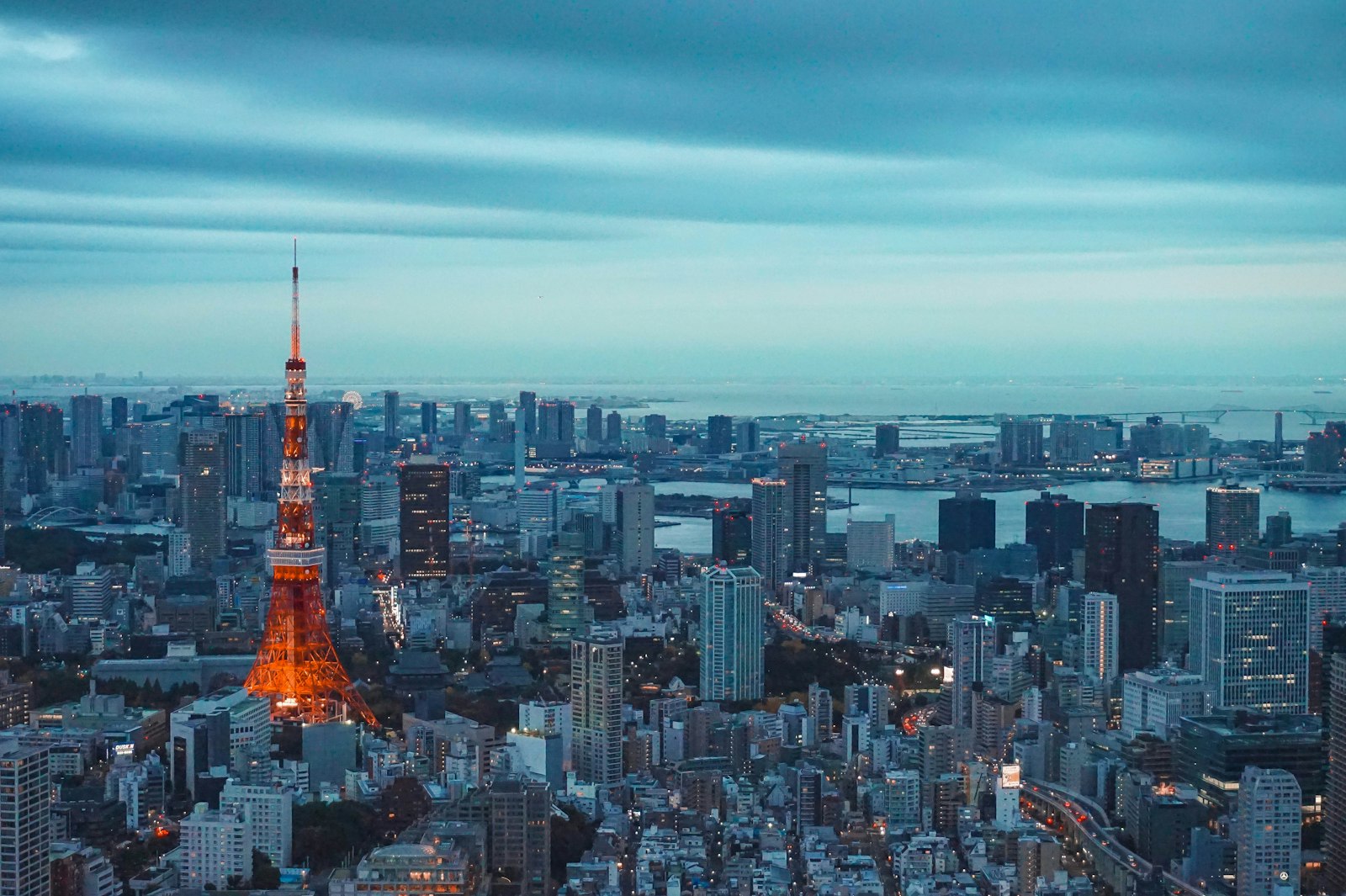
Featured photo: Louie Martinez / Unsplash. Official transport and seasonal sources checked on 14 October 2026. Hotel and activity details should be confirmed for your booking dates.