Tokyo is easy to underestimate on a map. Two hotels can both look “central,” yet create very different days once you factor in station size, transfers, crowds, luggage, meal choices and the simple question of whether someone can head back to the room early without derailing everyone else.
For a trip that spans different generations, the best base is rarely the one with the most famous address. It is the one that matches how your group actually travels.
At a glance: five Tokyo bases with very different strengths
| Area | Works well when your group values | Main trade-off |
|---|---|---|
| Ueno | Museums, park time, easy breaks, access to northern/eastern Tokyo | The Ameyoko side can feel busy and noisy |
| Asakusa | Traditional atmosphere, riverside walks, classic Tokyo sights | Popular streets around Sensoji can get crowded |
| Tokyo Station / Marunouchi | Rail convenience, simple onward travel, dining and a polished central base | The area can feel businesslike and many stays skew upscale |
| Shinjuku | Transport choice, shopping, dining, nightlife and flexible plans | The station itself is large and can be tiring to navigate |
| Odaiba | Waterfront space, indoor entertainment, shopping and family-friendly attractions | Some central sightseeing areas require extra transfers |
Start with energy, not age
A useful way to choose a Tokyo base is to forget age labels for a moment and look at the shape of the day. Does your group like to leave the hotel once and stay out until dinner? Does someone prefer a midday rest? Are you carrying a stroller, larger suitcase or shopping bags? Will everyone want the same evening plan?
Those questions often matter more than whether an area is marketed as “family-friendly.” A base that lets one person return easily while others continue sightseeing can prevent a small difference in pace from becoming the main problem of the trip.
Ueno: strong for culture, park time and easier pauses
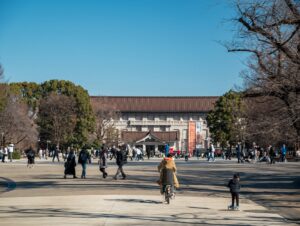
Ueno combines one of Tokyo’s major transport hubs with a large park directly beside the station. Ueno Park contains museums, a zoo, shrines, a pond and places to sit down for a break. GO TOKYO specifically notes cafes in the park as places to rest, which is useful when different people in the same group want different amounts of walking.
Transport is another advantage. GO TOKYO lists Tokyo Station at about eight minutes from Ueno by JR Yamanote Line and Shinjuku at about 24 minutes. Keisei Ueno also gives the area a direct connection toward Narita Airport.
The contrast is part of the appeal: quiet museum time and open park space on one side, then the energetic Ameyoko shopping streets nearby. That same contrast is also the caution. If your hotel is close to the busiest market streets, the atmosphere may feel more hectic than the park-side image suggests.
Who may like Ueno: groups that want museums, a zoo, traditional downtown atmosphere and the option to slow the day down without leaving the neighborhood.
Asakusa: traditional Tokyo with the river close by
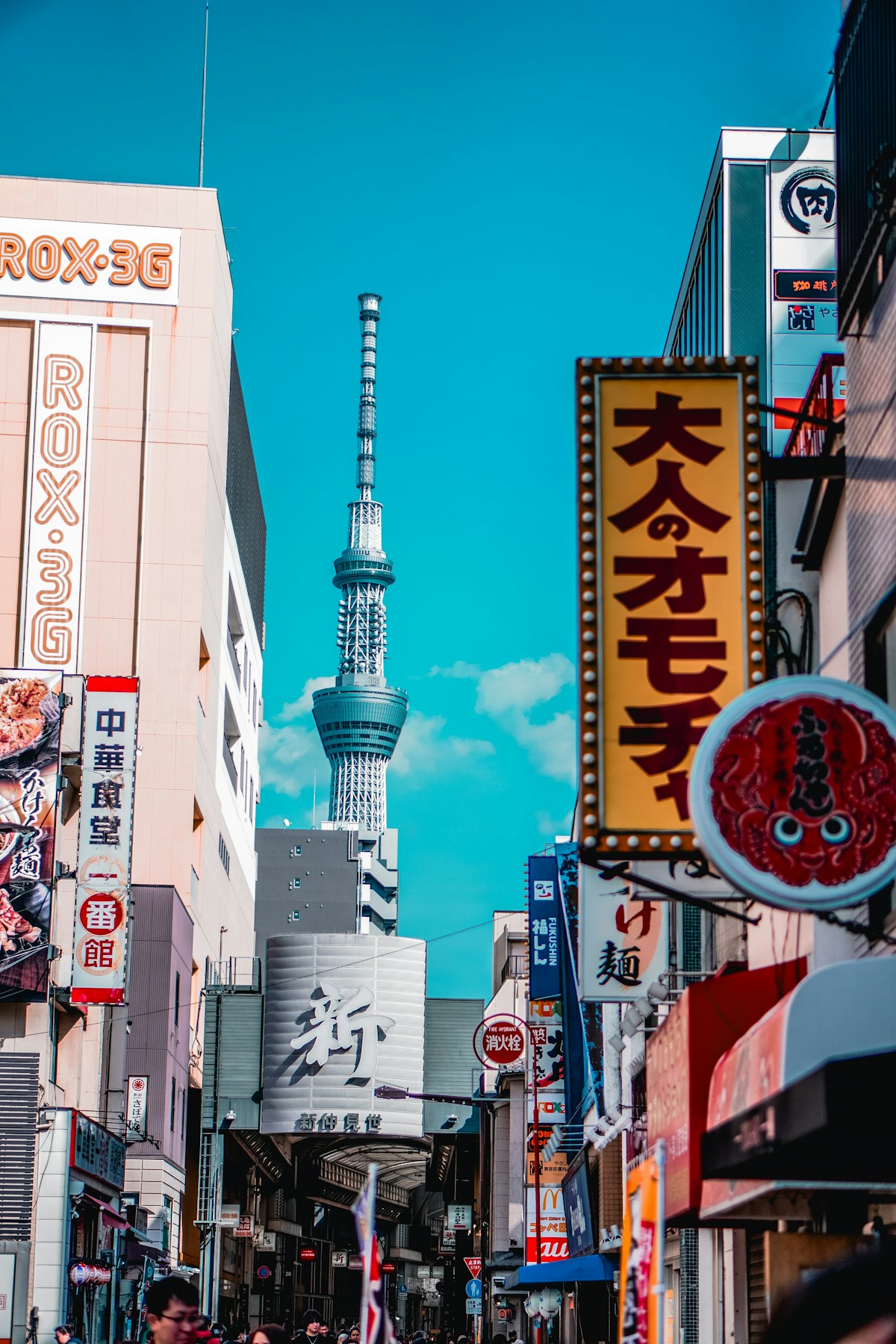
Asakusa works well when the atmosphere of the neighborhood matters as much as transport efficiency. Sensoji, Kaminarimon and Nakamise put classic Tokyo scenery within walking distance, while the Sumida River adds another way to experience the city.
GO TOKYO highlights water-bus routes from Asakusa toward places including Odaiba. That can be more than sightseeing: for a group that has already spent several days navigating stations, a river journey can turn a transfer into part of the day itself.
The trade-off is crowd pressure. The streets around Sensoji are among Tokyo’s best-known visitor areas. A hotel that looks very close on a map may still involve moving through dense foot traffic at popular times. If your group prefers calm starts and finishes, check the exact side street and station exit rather than booking on neighborhood name alone.
Who may like Asakusa: groups that want traditional streets, temple visits, riverside time and a neighborhood that still feels distinctive after sightseeing ends.
Tokyo Station and Marunouchi: the practical choice when rail matters
For a trip that includes day trips or onward travel by shinkansen, Tokyo Station can simplify the logistics. It is one of Japan’s key rail hubs, and the station itself has extensive dining and shopping. The Marunouchi side places the Imperial Palace area nearby, while surrounding commercial buildings give you plenty of places to eat without adding another train ride at the end of the day.
Marunouchi is also easier to pause in than its office-district reputation suggests. GO TOKYO describes spaces such as Marunouchi Brick Square with benches and open-air areas, and the Shin-Marunouchi Building has public spaces and seating inside. From November to February, Marunouchi Naka-dori is also known for seasonal illumination.
The biggest question here is value rather than convenience. Many properties around the station are positioned toward the upper end of the market, so the location premium needs to earn its place in your itinerary. If you are not using the rail hub often, another neighborhood may give you a stronger sense of place for the same budget.
Who may like Tokyo Station / Marunouchi: groups prioritizing simple rail connections, day trips, airport transfers and easy access to restaurants without planning a second evening journey.
Shinjuku: maximum choice, with a navigation cost
Shinjuku gives you options. JR lines, private railways, Tokyo Metro and Toei lines all converge in the area, and the Busta Shinjuku expressway bus terminal adds another layer of connectivity. Shopping, restaurants, department stores and nightlife make it easy for members of the same group to split up and still stay within one district.
That flexibility comes with one obvious cost: Shinjuku Station is enormous. GO TOKYO describes it as a station “bursting to the seams,” and that is the practical issue to plan around. A hotel listed as five minutes from Shinjuku Station is not automatically a five-minute walk from the platform you will use most.
For mixed travel styles, the better question is often which side of Shinjuku works for you. West Shinjuku is dominated by high-rises and the Tokyo Metropolitan Government Building, while the east side is denser with shopping, dining and entertainment. South Shinjuku puts the expressway bus terminal and newer commercial complexes close at hand.
Who may like Shinjuku: groups that value transport choice, shopping, evening flexibility and the ability to separate for a few hours without traveling across the city.
Odaiba: more breathing room and easy indoor alternatives
Odaiba feels different from central Tokyo. The waterfront, shopping complexes and entertainment venues spread activity across a broader area, and there are several indoor options for days when the weather turns. GO TOKYO points to attractions such as Miraikan, shopping centers and Tokyo Joypolis, alongside parks and the seaside.
The area is reached by the Yurikamome and Rinkai lines, and water-bus connections can link Odaiba with Asakusa and other waterfront areas. That creates some memorable travel days, but it is not the most direct base for every classic Tokyo sight.
Odaiba makes the most sense when you actually want what Odaiba offers. If your itinerary is mainly Ueno, Asakusa, Shinjuku and central Tokyo, the additional transfers may outweigh the waterfront atmosphere.
Who may like Odaiba: groups wanting spacious waterfront walks, shopping, indoor entertainment and days that do not revolve around moving through Tokyo’s busiest central stations.
The booking question that matters more than the neighborhood name
Once you narrow the area down, look at the hotel as part of the transportation plan rather than as a separate decision.
- Which station entrance will you actually use?
- Is there an elevator on the practical route, not just somewhere in the station?
- How many real beds are in the room, and who would be using a sofa bed or futon?
- Can one person return to the hotel alone without a complicated transfer?
- Are there places to eat nearby if the group does not want to go back out at night?
- Can the group split into two plans and meet again easily?
- How far is the hotel when you include the station interior, not only the street distance?
AGI Note: A useful Tokyo hotel is not simply close to a station. It should make the tired version of your itinerary easier, too.
A simple way to choose
If this is your first Tokyo trip and rail convenience is the priority, start by comparing Tokyo Station / Marunouchi and Ueno. If atmosphere matters more, look closely at Asakusa. If your group wants maximum transport choice and different evening plans, Shinjuku is hard to ignore. If you would rather trade some centrality for waterfront space and indoor entertainment, Odaiba becomes much more interesting.
There is no single Tokyo base that fits every generation. The better goal is to choose the place that creates the fewest compromises for the way your particular group wants to travel.