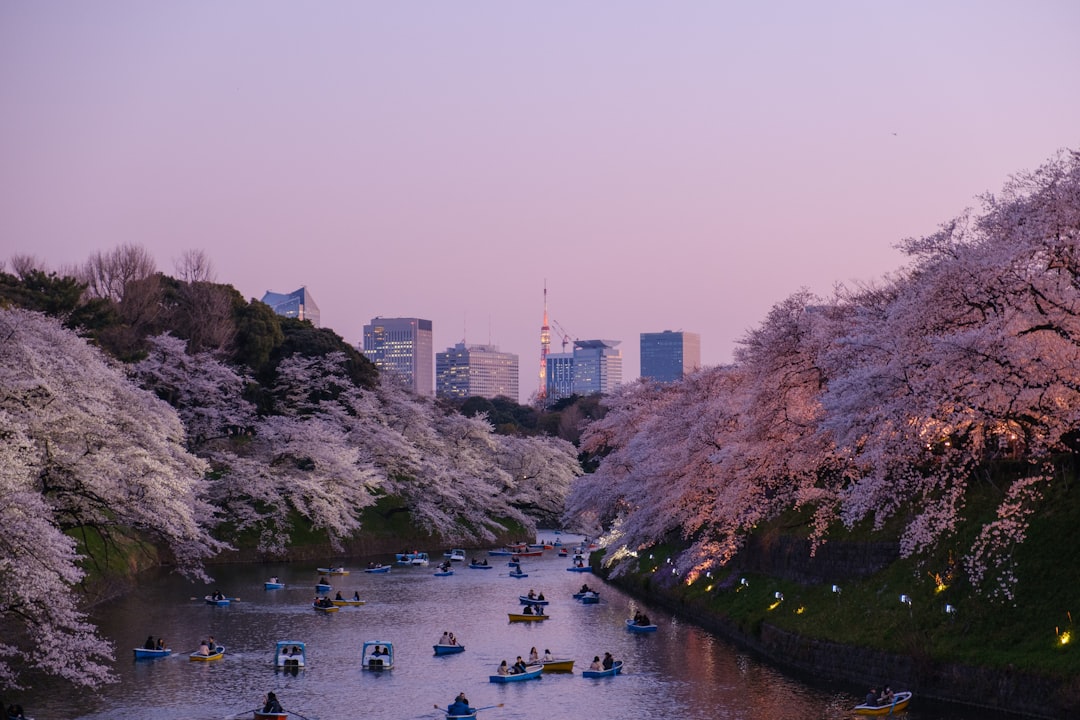
Spring in Asakusa can look effortless in photos: cherry blossoms along the Sumida River, Sensoji within walking distance, and Tokyo Skytree rising across the water. The reality is more mixed. The same season that makes the neighborhood beautiful also brings heavier foot traffic, especially around popular cherry-blossom periods.
MIMARU Tokyo Asakusa Station is one minute on foot from Tokyo Metro Asakusa Station, according to the hotel’s official site. Its apartment-style rooms include kitchens, dining tables, bunk-bed family rooms and larger layouts for groups of up to eight adults. For a trip that spans different generations, that can be more useful than simply having more beds.
- Location: about one minute on foot from Tokyo Metro Asakusa Station
- Family Apartment: 35㎡ with two single beds and one bunk bed
- One-Bedroom Apartment: 52㎡ for up to six adults, with four single beds and one bunk bed
- Deluxe Two-Bedroom Suite: 71㎡ for up to eight adults, with two washbasins, two toilets, one bathroom and one shower room
- Every room: kitchen and dining table
- Spring trade-off: excellent access to Sumida Park and Asakusa, but cherry-blossom season can mean significant crowds nearby
 Sofia
If the hotel is only a minute from the station, does that mean Asakusa is an easy base even during cherry-blossom season?
 Minamina
The short station walk helps, but it does not remove the crowds. In spring, the more useful question is which routes you will use at busy times—and whether your group can change plans without everyone moving together.
Why this location becomes more interesting for a spring trip
Sumida Park is only a few minutes from Asakusa Station and is one of the area’s established cherry-blossom spots. GO TOKYO notes that the park becomes especially crowded during cherry-blossom festival season. In 2026, the Sumida Park Cherry Blossom Festival ran from March 15 to April 5; the exact 2027 dates and bloom timing are not yet something travelers should treat as fixed.
That uncertainty matters when choosing a hotel months in advance. If your group wants spring scenery but does not want every day to revolve around peak crowds, staying close to the river and station gives you more options: an early walk before the busiest hours, a midday return to the room, or a split plan where some people continue sightseeing and others rest.
Do not book around an assumed 2027 full-bloom date. Use historical timing as a planning reference, then re-check official forecasts and event dates closer to the trip.
The kitchen and dining table change how the room works
Every room at MIMARU Tokyo Asakusa Station includes a kitchen and dining table. The official equipment list includes an IH stove, refrigerator, microwave, electric kettle, cookware, tableware and basic cooking tools.
For a multi-generational trip, the value is not necessarily cooking full meals. It is flexibility. Someone can have breakfast before the rest of the group is ready. A child can eat something familiar without turning the meal into a restaurant search. Someone who is tired can bring food back and still sit at a proper table instead of eating on a bed.
 Ava
So the kitchen is useful even if we do not plan to cook dinner every night?
 Minamina
Exactly. On a group trip, a fridge, microwave and dining table can be more valuable for different schedules than for elaborate cooking.
Family Apartment: good capacity, but look at who gets the bunk bed
The standard Family Apartment is 35㎡ with two single beds and one bunk bed. The River View Family Apartment uses the same basic sleeping setup while adding a Sumida River view.
For two adults and children who enjoy bunk beds, that may be a very natural fit. For four adults, the decision is different. A bunk bed is still a bunk bed. If one traveler does not want a ladder or prefers easier nighttime access to the bathroom, the stated room capacity does not automatically mean the layout is equally comfortable for everyone.
The larger apartments are where this hotel becomes more flexible
The One-Bedroom Apartment is 52㎡ and can accommodate up to six adults, using four single beds and one bunk bed. The larger Deluxe Two-Bedroom Suite is 71㎡ and can accommodate up to eight adults. Its official layout includes four single beds, two bunk beds, two washbasins, two toilets, one bathroom and one shower room.
Separate bedrooms and extra bathroom facilities can matter more than raw floor area. Morning routines are easier when everyone is not waiting for one washbasin. Someone can sleep while others talk at the dining table. And two households traveling together can share the same apartment without giving up every bit of privacy.
 Marcus
Eight people in one apartment still sounds like a lot. Wouldn’t that feel crowded?
 Minamina
It can. Check the bedroom split, bunk-bed users and bathroom routine—not just the maximum occupancy. A room that technically sleeps eight is only useful if the layout fits the eight people actually traveling.
Spring crowds are the main location trade-off
Asakusa is one of Tokyo’s most recognizable visitor areas, and spring adds another layer of demand. GO TOKYO describes Sumida Park as especially crowded during cherry-blossom festival season. Sensoji and Nakamise are also popular throughout the year.
That does not make the location a poor choice. It means the hotel works best when you use proximity strategically. Early mornings can be calmer. A short return to the room can break up a long day. And if some members of the group want to keep walking while others have had enough, the hotel’s station-side location makes separating less complicated than it would be from a more remote base.
What real travelers have reported
A family trip report on Reddit described MIMARU Tokyo Asakusa Station as being right by the station exit, with large rooms, many beds, a dining area and kitchenette. The same traveler specifically liked early-morning walks in Asakusa before crowds built up.
Recent Trip.com reviews repeatedly praise the location and family-room practicality. One 2026 review, however, raised concerns about street noise and sound from above, even while describing the location as convenient. That kind of comment is useful because a central, station-adjacent room and a quiet room are not always the same thing.
Who this stay may suit
- Groups that want more living space than a standard Tokyo hotel room
- Families who will actually use bunk beds
- Two households that want to stay together but need some separation
- Travelers who value a kitchen, fridge and dining table for flexible meal timing
- Spring visitors who want to be close to Sumida Park but still able to return to the room easily
Who may want to look elsewhere
- Travelers who are very sensitive to street or building noise
- Groups where nobody wants to use a bunk bed
- Trips focused mostly on Shinjuku, Shibuya or western Tokyo nightlife
- Travelers who want extensive hotel dining, spa or resort-style facilities
- Anyone expecting cherry-blossom season to be calm simply because the hotel is close to the station
Three checks before you book
Decide who will use each single bed and bunk bed. Do not choose only by the maximum guest count.
For larger groups, extra washbasins, toilets and a separate bedroom may be more important than total square metres.
Plan at least one early outing, one easy return-to-hotel option and one alternative if the river or Sensoji area feels too crowded.
MIMARU Tokyo Asakusa Station is most compelling when your group will use the apartment features—not simply because “family” appears in the room name. The kitchen, dining table, bedroom separation and short station walk can reduce friction between different travel rhythms. The spring-season cost is crowd pressure outside the hotel, so the best plan uses the location to create flexibility rather than assuming proximity solves everything.
Sources checked
- MIMARU Tokyo Asakusa Station — official hotel and room information
- GO TOKYO — Sumida Park
- GO TOKYO — 2026 Sumida Park Cherry Blossom Festival
- Reddit r/JapanTravel — April family trip report
- Trip.com — recent guest reviews
This article is an independent editorial review based on official hotel information and publicly available traveler reports. AGI has not claimed a personal stay at this property. Spring 2027 cherry-blossom dates are not presented here as confirmed forecasts.